
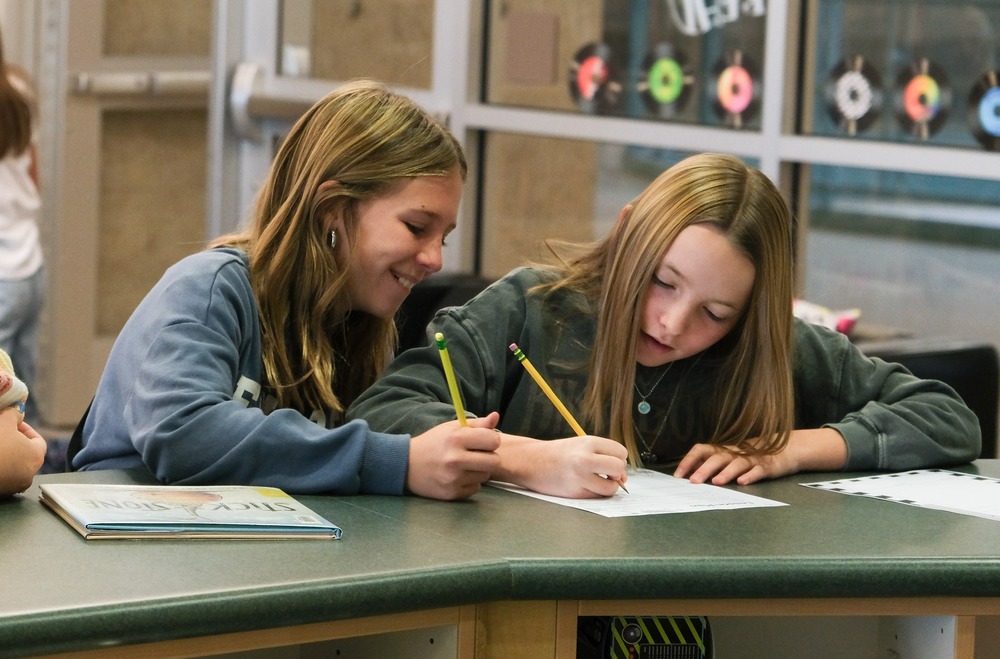
An ounce of prevention is worth a pound of cure. In an era when we are hyper-focused on responses to violence, Alpine School District emphasizes connection as a proactive way to keep students safe.
"From a student’s point of view, connection is safety," says Eric Woodhouse, Executive Director of Operations. “When students feel known and respected, they are less likely to be isolated and more likely to look out for their peers. These daily relationships create networks that discourage bullying and normalize asking for help before problems escalate.”
Research consistently shows that students who feel connected are significantly less likely to harm themselves or others.
"It’s about seeing, knowing, and valuing every person who walks through our doors," says Rebecca Andreasen, assistant principal at Timpanogos High School.
Andreasen’s prior work as the district’s prevention specialist provided her a deeper understanding of the power of preventive factors, such as peer-to-peer connection and connections among adults and students. These factors are often called “protective factors” because they can insulate students from many of the negative things that sometimes go on around them.
Goals Help Schools Achieve Connection
Every school in the district has a connection goal, according to Woodhouse.
“Connection goals make relationship-building strategic and measurable. By asking each school to set targets the district ensures resources, training, and monitoring are focused where they matter most,” he said.
Measurable goals often include things like percent of students reporting a trusted adult, mentoring touch points, or participation in school activities.
“At Timpanogos, we know that relationships are the strongest form of prevention,” said Andreasen. “Students who feel valued and supported are more resilient to life’s challenges, more open to feedback, and more willing to reach out when they need help.”
She described connection as a “safety net of belonging.”
“Goals allow the district to track progress, compare practices across schools, identify where additional support is needed, and link connection work directly to student outcomes and safety planning,” said Woodhouse. “In short, goals turn well-meaning intentions into sustained, evaluated prevention.”
Parent as Partners in Connection
Parents play a vital role in this culture-building effort. When parents understand how schools intentionally strengthen relationships, they can reinforce belonging at home and recognize signs of isolation.
“When I hear a school talk about connection goals, I'm always relieved,” says Tracee Larson, whose children attend Silver Lake Elementary and Vista Heights Middle School.
Like many parents, Larson worries for her children at school.
“First and foremost, I think about their safety,” she said.
She understands that intentional connection goals lead to safety.
“Specific things I have seen that help my children feel more connected at school is a faculty that cares. Having a teacher that is willing to email and discuss things, whether positive or negative, is a huge green flag as a parent,” she said.
Practices that Lead to Prevention
“At Timpanogos High, we intentionally build connection through everyday interactions,” says Andreasen. “Teachers greet students by name at the door, coaches check in beyond the scoreboard, and staff members take time to know each student’s story.”
Andreasen said it begins in the classroom, “where teachers intentionally plan opportunities for students to connect with one another and strengthen their sense of belonging to our school community.”
She added that programs like student council, prevention programs like Sources of Strength and Hope Squad, in addition to interest and affinity clubs, create communities of support and belonging so that every student has an adult who knows them and cares about them.
“We know that relationships are the strongest form of prevention,” she said.
A connected school is a safe school. By prioritizing relationships built on trust and empathy, ASD helps students recognize their own worth and potential.
Connection practices keep students safe:
Notice earlier — friends who belong take care of their friends. They watch for sudden withdrawal, threats, or risky behavior and tell a trusted adult.
Provide support — friendship reduces loneliness, giving students alternatives to acting out in self-defeating behaviors, and learn appropriate ways to seek the attention they truly need..
Model healthy norms — communities with strong connection have lower bullying incidents because peers are more likely to enforce respectful behavior.
Encourage help-seeking — when students trust adults, students at-risk are more likely to seek out help from within their trusted circles- such as accepting counseling or other supports that can put them on a better path to success
“In practice, connection means students intervene sooner—by checking on a friend, reporting worrisome behavior, or seeking adult support,” added Woodhouse. “Over time, those everyday acts of care add up to a school culture that is more compassionate, resilient, and safe.”